Stay up to date with our newsletter

Gone But Not Forgotten
Maine State Museum Leads New Research on the Extinct Sea Mink
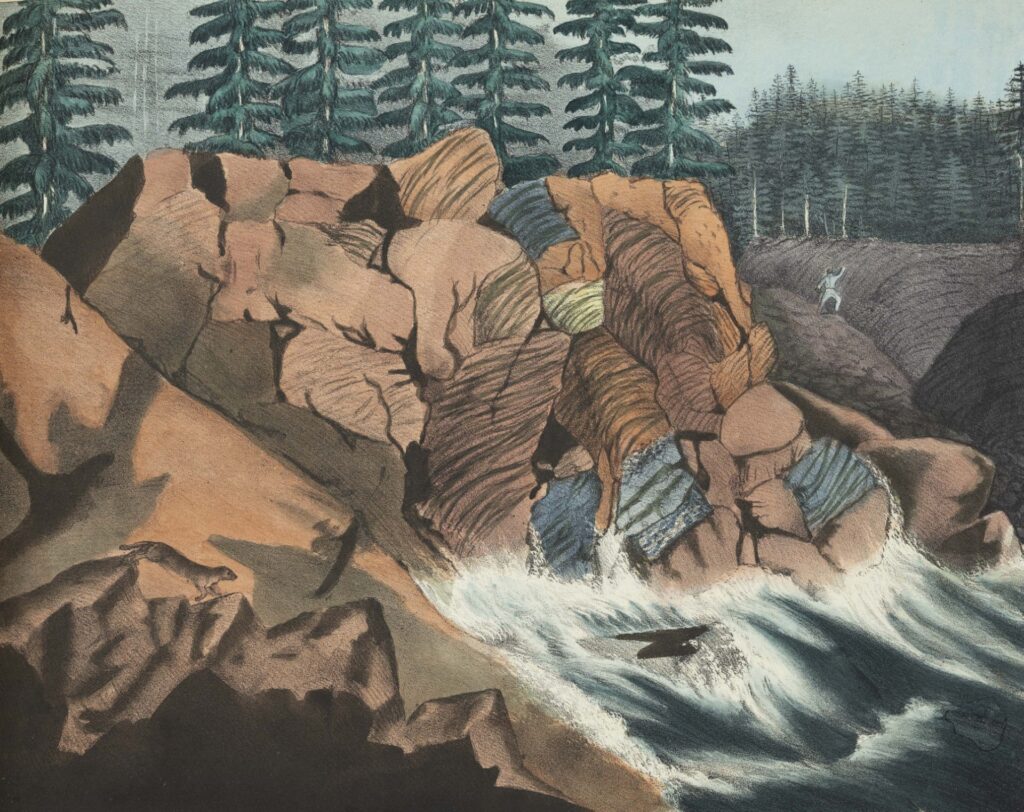
In April 2025, Maine State Museum curator of natural science Dr. Paula Work and former Maine State Museum staff members Bruce Bourque and Robert Lewis published a groundbreaking study in the Journal of Quaternary Research that illuminates some mysteries of the now-extinct sea mink.
Although some scientists still doubt whether the sea mink was a species distinct from the modern land mink, the team’s findings support the idea that it was. But their discoveries didn’t stop there.
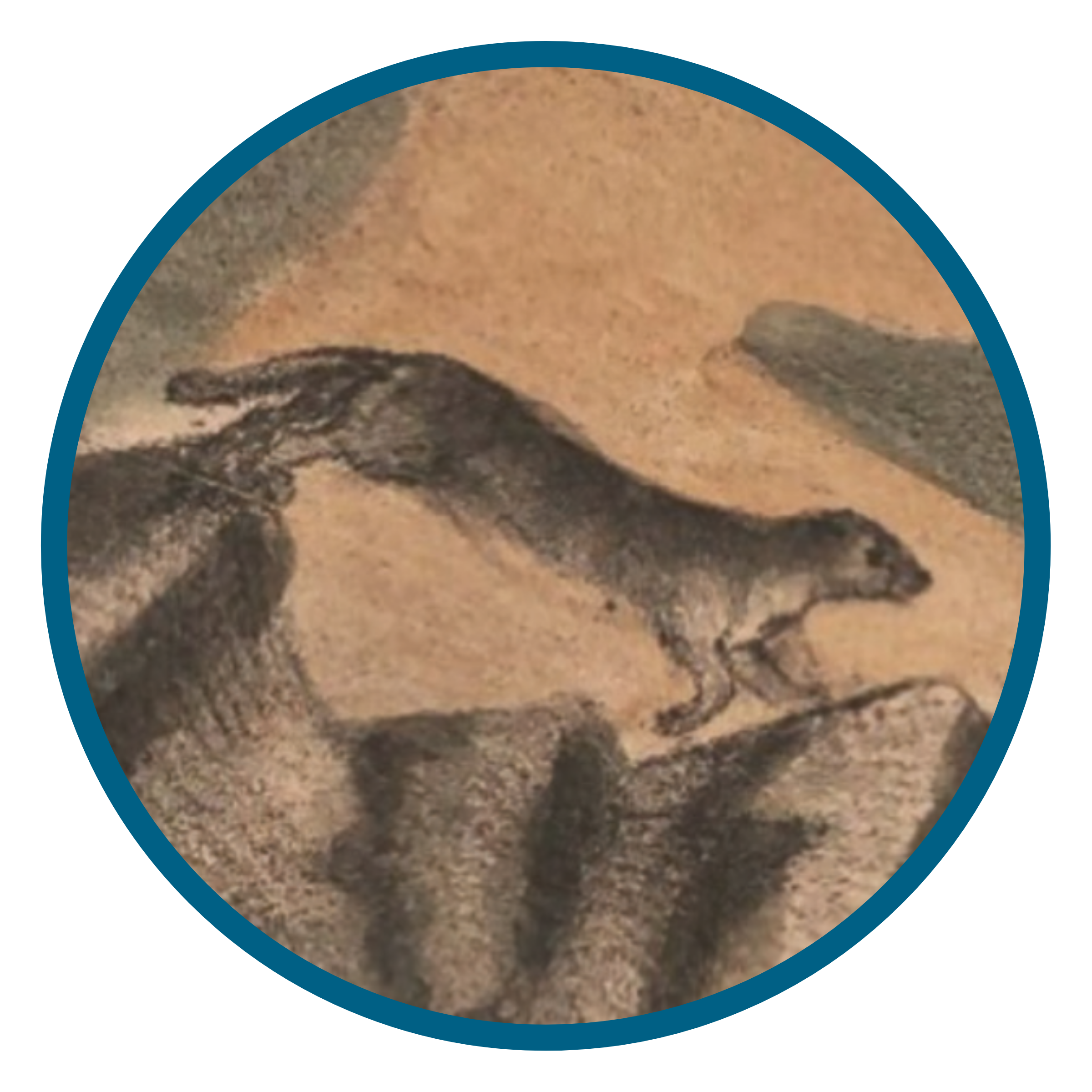
To better understand the sea mink when it inhabited Maine’s rocky coastline, the team compared the museum’s sizable collection of identified prehistoric mink bone specimens with those of today’s American land minks. They also consulted contemporary accounts from fur trappers in the 19th and early 20th centuries. Sea minks were considerably larger in size and had darker fur than land minks.
They were also prized for their larger, coarser pelts, which very likely led to their extinction at the hands of fur trappers between 1860 and 1920.
The team concluded that the sea mink was likely an emerging marine fissiped—a land-dwelling carnivore evolving toward a more aquatic lifestyle, much like today’s polar bears and sea otters, with webbed feet adapted for both land and water.
While some questions remain, this research brings scientists closer to understanding the elusive sea mink and its place in Maine’s natural past.